








Are we heading towards a Digital Pound? The BoE is certainly thinking about it
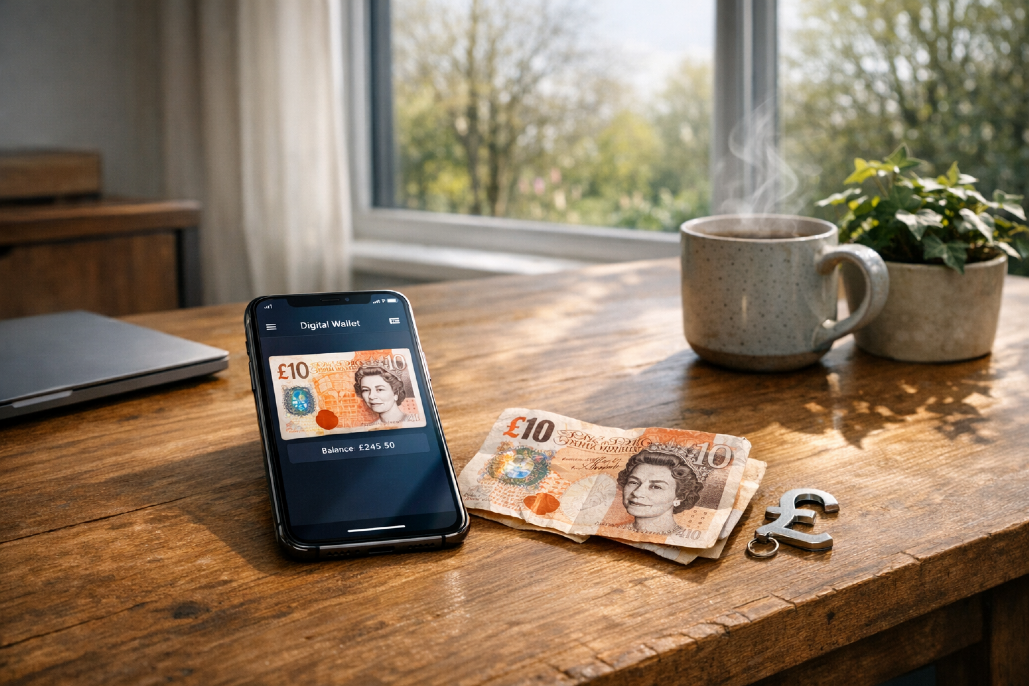
Here's what a digital pound could look like and why it's being explored by the Bank of England. It wouldn't replace cash, and it certainly wouldn't be classed as crypto. The next couple of years are about design, testing and deciding what should happen next ... Digital pound shines, Secure, swift transactions made, UK's future currency? Money only works when people trust it, and that trust is exactly why the idea of a digital pound keeps returning to the conversation. The UK already runs on a mix of banknotes, cards, bank transfers and apps, yet I see the direction of travel as clear: more payments are happening electronically, more often, in more places. Should public money also exist in a native digital form, not just as balances inside commercial banks?A digital pound is usually described as digital cash: a direct claim on the Bank of England, denominated in Pound Sterling, designed for everyday use. In plain terms, it would aim to feel as dependable as a £10 note while living in a wallet app, ready for use in shops or online. We must separate the concept from the electronic money people already use, which typically exists as a commercial bank liability rather than central bank money.It also helps to be clear about what it isn't. When people hear the term 'digital currency', some immediately think of speculative cryptoassets, wild price swings and lost wallets. A digital pound would be the opposite of that: stable in value, issued by the Bank of England directly, and intended to be boring in the best possible way. If it works, I believe the most noticeable feature should be that it quietly does its job. The concern many people jump to is whether | ||||||||||||||||||||||||||||||||||||||||||||||||||||||||||||||||||||||||||||||||||||||



Would you like to know more? |
If anything I've written in my blog post resonates with you and you'd like to discover more of my thoughts about the Digital Pound, then do call me on 01908 774320 and let's see how I can help you. Don't forget to stay updated with our daily social media posts on Facebook. |
Share the blog love ... | |||||||||||||||||||||||
#digitalpound #BankofEngland #DigitalCurrency #Payments #FinancialPrivacy #UKFinance |


About Roger Eddowes ... | ||
|
More blog posts for you to enjoy ... | ||
 | Budget tax changes: What could they mean for businesses and investors? As the next budget approaches, speculation about tax changes is gaining momentum. The Chancellor faces a difficult balancing act: managing public finances, encouraging economic growth, and avoiding further pressure on busines... | |
 | Working lunch tax rules: When do sandwiches become a tax problem? There is something wonderfully British about gathering colleagues around a table, ordering a few sandwiches and calling it a productive meeting. After all, everyone needs lunch, and discussing business while eating seems perf... | |
 | State Pension Triple Lock changes: What could they mean for your finances The recently announced State Pension Triple Lock changes mark a significant shift in how the State Pension could increase in the future. The existing triple lock will remain in place until April 2030, but after that the earni... | |
 | A Director's Loan Account is useful, but it isn't your personal ATM A director's loan account can be a normal, useful part of running a limited company. It records money moving between a director and their business that isn't salary, a dividend or reimbursement of a genuine business expense .... | |
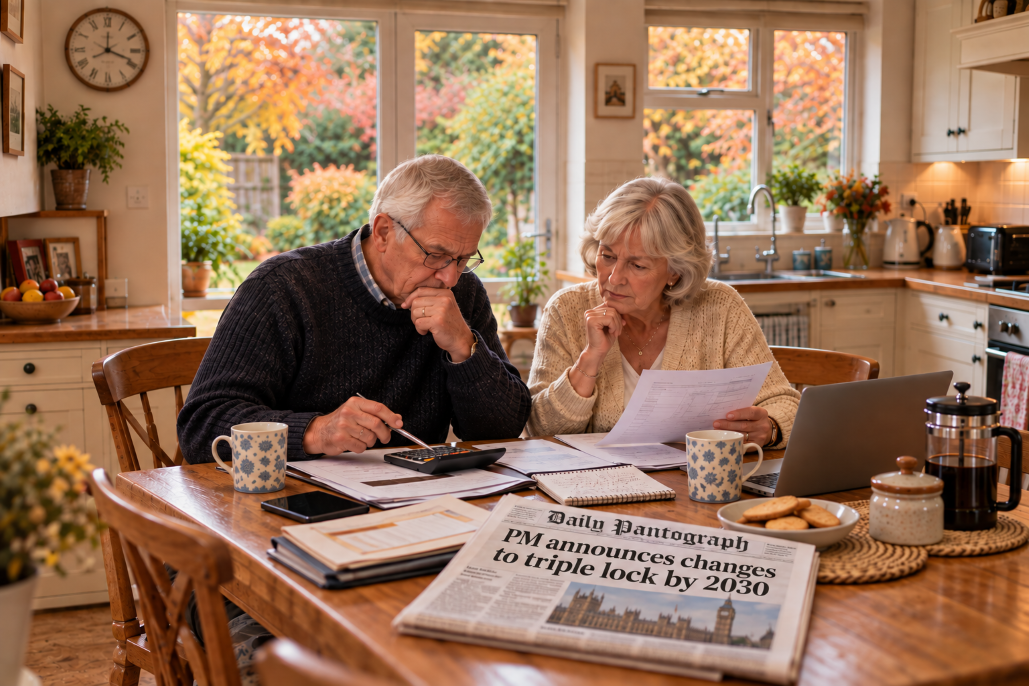 | Is the State Pension triple lock sustainable for the long term? The state pension triple lock has played an important role in protecting pensioners from falling behind as wages and prices rise. For many people, particularly those with little other retirement income, that protection matter... | |
 | Cybersecurity risks for businesses: Why basic protection matters more than ever Cybersecurity risks for businesses continue to evolve, and recent incidents show that it is no longer enough to think of cybersecurity as something that concerns only large organisations or technology companies. The ways a bu... | |
 | UK business growth needs certainty, not just good intentions There has been plenty of discussion about UK business growth recently, and the Chancellor has now given us some indication of the direction the Government intends to take in the October Budget ...... | |
 | Why the cost of doing business is holding back growth Growth is talked about constantly, but I think we sometimes overlook something rather obvious. Businesses need the confidence and financial headroom to invest before meaningful growth can happen. Right now, the cost of doing ... | |
Other bloggers you may like ... | ||
 | Serviced accommodation for contractors in Milton Keynes Posted by Emily Freeman on https://blog.shortstay-mk.co.uk Finding the right serviced accommodation in Milton Keynes can make all the difference to a successful project. Whether you're on a short-term contract ... | |
 | Finding a meaningful career: What difference do you want to make? Posted by Dave Cordle on https://blog.davecordle.co.uk Have you ever stopped to think about the difference you want to make in the world? For some people, that means tackling global challenges, changing li ... | |
 | When setting up YourPING, who should be a trusted contact? Posted by Steffi Lewis on https://www.yourping.uk Choosing trusted contacts may sound straightforward: pick someone you know, add their details, and you're done. But it's worth thinking a little more ... | |
 | Why good document management for small businesses saves time and reduces stress Posted by Sarah Hannaford on https://blog.sarahpasolutions.co.uk Every small business generates documents. From invoices and contracts to customer correspondence and internal procedures, the amount of information ca ... | |